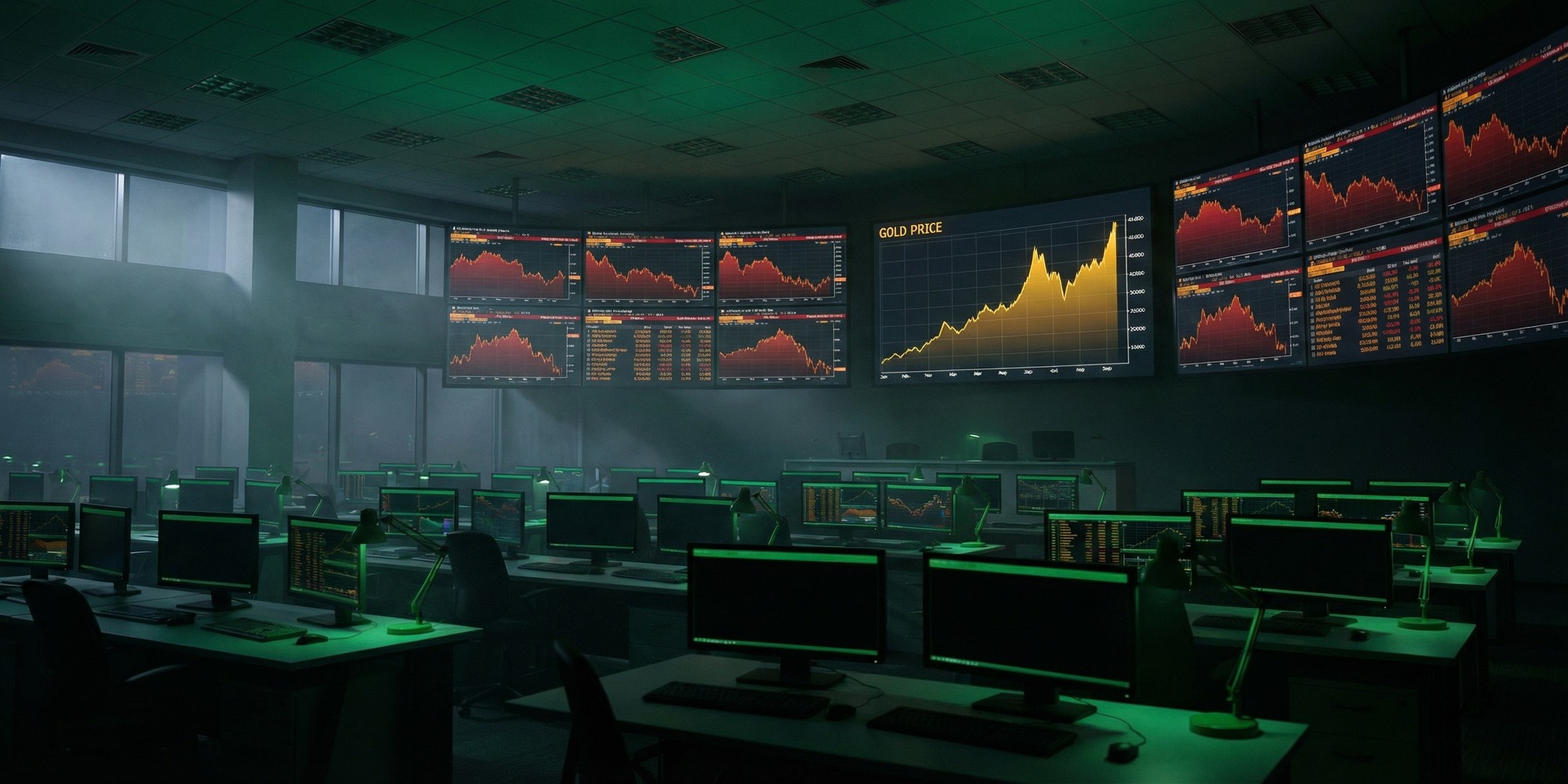
Asia-Pacific equity markets opened the second quarter with a broad advance on Wednesday, extending Tuesday's landmark Wall Street surge after U.S. President Donald Trump signalled that American military operations against Iran could wind down within two to three weeks. The KOSPI led regional gains, surging more than 6.5% at its session peak, while Japan's Nikkei 225 climbed 4.04%—the index's sharpest single-day gain since late February. The MSCI Asia ex-Japan index was up 2.7%, snapping a four-day losing streak, as investors moved to partially unwind the geopolitical risk premium that has compressed global equities since hostilities began in early March.
The catalyst was dual-pronged. On Tuesday, Trump told reporters that the United States "could end" its campaign in Iran "in two or three weeks," and, crucially, added that Tehran did not need to formally agree to a deal as a precondition for the hostilities to stop. Hours later, unconfirmed reports indicated Iranian President Masoud Pezeshkian had signalled openness to ending the war provided security guarantees were in place. Trump is scheduled to address the nation at 9 p.m. Wednesday (0100 GMT Thursday) with a further update. Neither government has confirmed the specific terms under discussion, and analysts caution that diplomatic positions remain materially far apart—attacks from both sides continued as Asian markets opened. Still, the market read the signals as a meaningful shift from the prior weeks of escalation, which had taken the S&P 500 roughly 7% below its late-January record high of 6,978.
Korea and Japan: Geopolitics Meets Fundamental Surprise
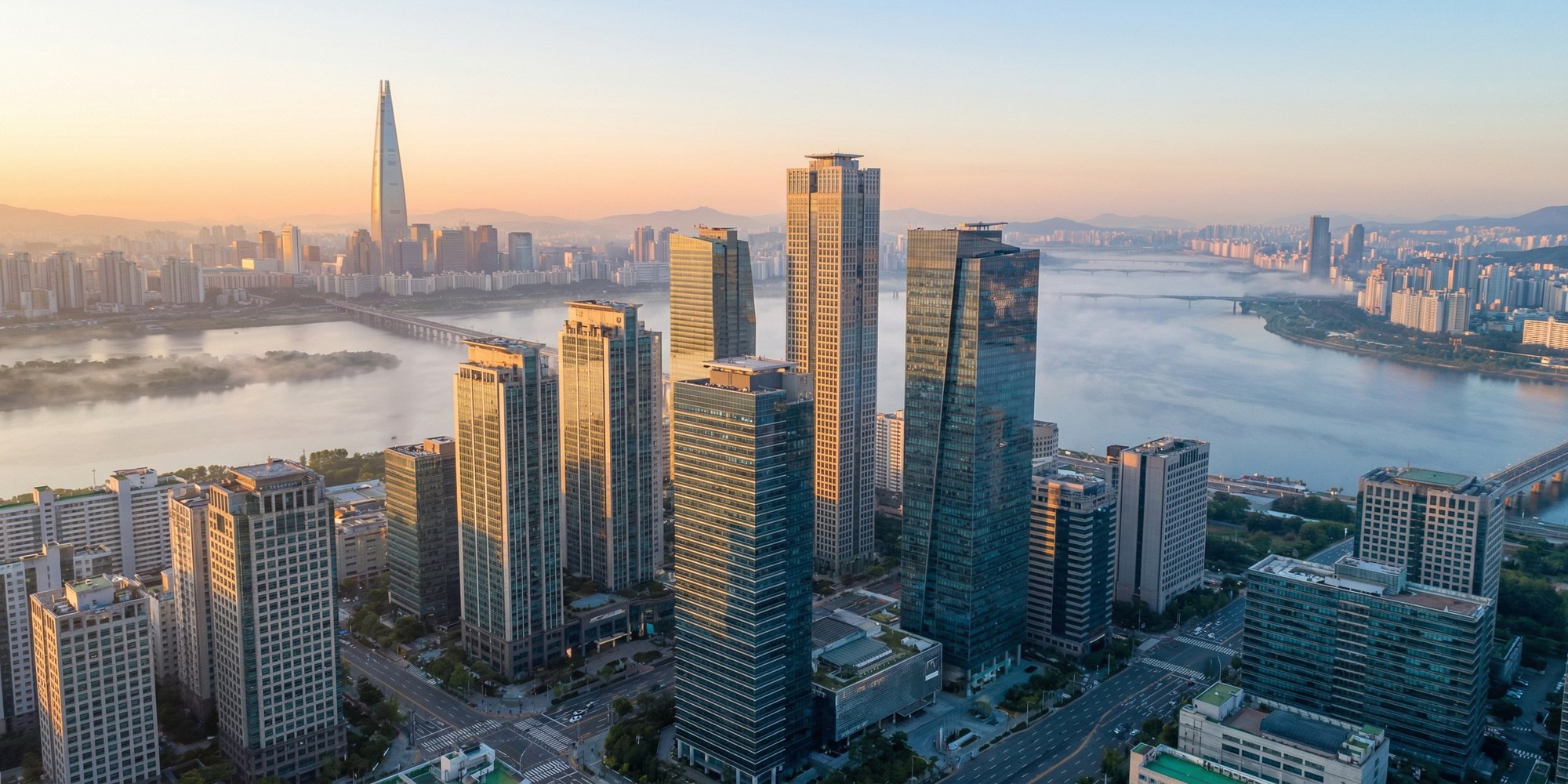
South Korea's advance was underpinned by exceptional economic data that would have moved markets even in a calmer global environment. Preliminary trade figures from South Korea's Ministry of Trade, Industry and Energy showed March exports rose 48.3% year-on-year to a record $86.13 billion—significantly above the 44.9% gain forecast in a Reuters poll and the fastest pace of growth in nearly four decades. Semiconductor shipments, driven by global demand for AI-related hardware, were the primary engine. Samsung Electronics surged 8% and SK Hynix gained 7.8%, with both benefiting from a separate PMI release showing South Korean factory activity expanded at its strongest pace in more than four years during March.
Japan's Nikkei 225 drew additional support from the Bank of Japan's quarterly Tankan business sentiment survey. The Large Manufacturers index rose to 17 in the first quarter of 2026—up from 15 in the prior quarter, beating economist estimates of 16, and reaching its highest level since Q4 2021. The Large Non-Manufacturers index held steady at 36, above the forecast of 33. The results suggest that the drag from elevated energy costs and supply-chain uncertainty stemming from the Iran war has not yet materially eroded corporate confidence, at least among larger firms whose domestic demand exposure provides some buffer. For the Bank of Japan, the data provides measured support for its current policy normalisation path, as reviewed in our earlier coverage on how Tuesday's Wall Street session priced the Iran off-ramp.
Elsewhere in Asia, Hong Kong's Hang Seng index gained 1.71%, powered by materials stocks recovering from war-premium selloffs, while mainland China's CSI 300 rose 1.47%. Australia's S&P/ASX 200 advanced 1.7%, and India's Sensex climbed 2.46% on the open, with Nifty 50 up 2.0%, as energy-import-dependent economies priced in the prospect of Brent crude retreating from its elevated $100-plus range.
Wall Street's Lead and the Oil Market Divergence
Tuesday's U.S. session established the momentum that Asia followed into Wednesday's open. The S&P 500 gained 2.91%—its best single-session performance since May 2025—while the Nasdaq Composite surged 3.83% and the Dow Jones Industrial Average added 1,125 points (+2.49%). The geopolitical backdrop underpinning those moves reflects a nuanced shift: investors are pricing a reduction in escalation tail risk, even if the underlying Hormuz supply disruption is not yet resolved. The S&P 500 futures added a further 0.3% in the Asian session, and Nasdaq futures gained 0.5% following the White House announcement of Trump's evening address.
The energy market told a more cautious story. Brent crude futures were trading at $105.16 per barrel in early Asian trade on Wednesday, up 1.1% as some of Tuesday's war-premium decline reversed. WTI futures climbed 1.34% to $102.72. Oil analysts note that de-escalation rhetoric and a physical closure of the Strait of Hormuz are different things: until tanker traffic normalises, the supply premium will persist. The U.S. dollar index, which fell sharply on Tuesday as rate-cut expectations rebounded, nudged back up 0.1% to 99.807 in the Asian session. The 10-year U.S. Treasury yield eased 1.2 basis points to 4.297%, reflecting the partial unwind of inflation-risk positioning that had pressured bonds through much of Q1.
The most striking repricing was in Federal Reserve rate expectations. CME FedWatch data showed a 32% implied probability of a 25-basis-point cut at the July 29 FOMC meeting, compared with just 7.5% the previous day. That shift reflects a market calculation: if oil stabilises or retreats as hostilities ease, the Fed's stagflation dilemma—which has kept it on hold through Q1—may resolve in a way that allows easing to resume. Markets are not yet pricing a near-term cut with conviction, but the directional shift was sharp enough to register across bond, equity, and forex markets simultaneously.
"They're still quite far apart in terms of what a truce means, or what peace means, but the market is embracing the fact that they are talking. That's a positive sign, at least in terms of signalling or willingness to end the conflict. Whether a compromise can be reached remains to be seen."
— Rodrigo Catril, Currency Strategist, National Australia Bank, Reuters (April 1, 2026)
Outlook: What to Watch
The immediate focus is Trump's address at 9 p.m. Wednesday. Any concrete detail on timelines, conditions, or a formal diplomatic framework would be a material development; a vague statement reiterating Tuesday's language could see markets give back a portion of the rally. The gap between Trump's "no formal deal required" framing and Tehran's insistence on security guarantees remains the central unresolved tension. Hormuz tanker traffic data—currently tracking at roughly 30% of pre-war volumes, according to shipping analytics firms—will be the operational signal that matters most for energy markets and by extension the global inflationary outlook.
On the data calendar, Caixin China Manufacturing PMI for March is due Wednesday, following Tuesday's official NBS reading. Any deterioration in Chinese factory activity would complicate the Q2 regional narrative. In Japan, the Tankan's forward-looking sub-indices flagged a softer outlook and falling profit expectations, a warning that the current headline sentiment improvement may not persist into Q2 if energy costs remain elevated. For global equity investors, the pivotal question for Q2 is whether Tuesday's Wall Street advance—which recovered approximately 30% of the S&P 500's total drawdown since the war began—can consolidate into a durable re-rating, or whether it remains a relief rally contingent on diplomatic signals that have so far proven reversible.