
Commodities & Energy
Why Oil Prices Are Still So High
Hormuz traffic, tanker sanctions, and an unchanged November OPEC+ requirement are still holding Brent up. The latest EIA spot is $125.44 on October 6.
Hormuz traffic, tanker sanctions, and an unchanged November OPEC+ requirement are still holding Brent up. The latest EIA spot is $125.44 on October 6.

Fed, ECB, and BOJ signal patience as post-ceasefire oil relief eases inflation pressure but energy and shipping risks keep policy restrictive.
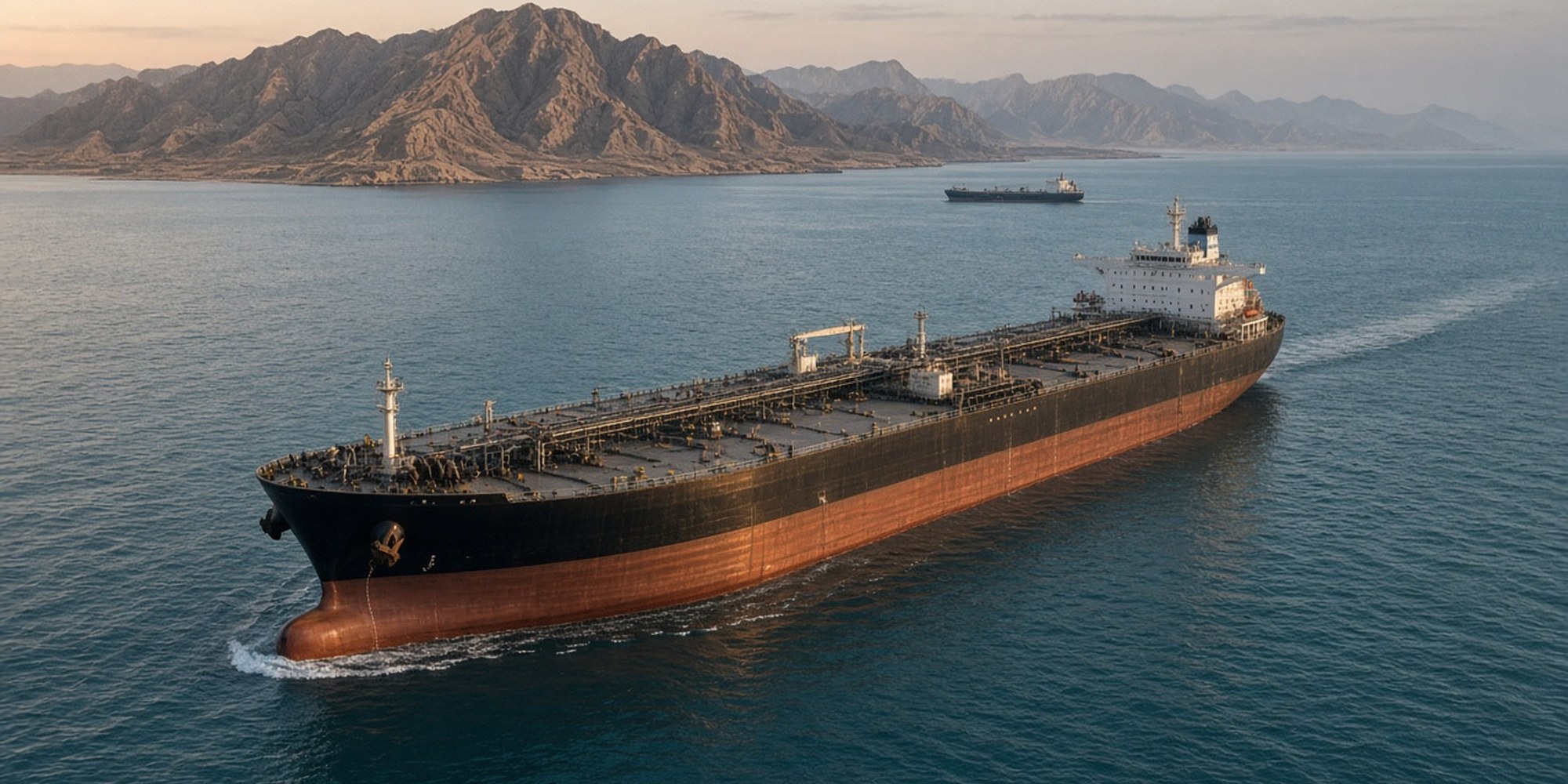
Hormuz traffic, tanker sanctions, and an unchanged November OPEC+ requirement are still holding crude up. EIA Brent spot was $125.44 on October 6.

Brent retreated toward $99, lifting global equities and easing the dollar as Treasury yields drifted lower and rate-cut probabilities rebuilt.

USD/JPY settled at 159.64 after the Bank of Japan's March 19 hold, approaching the 160 threshold defended with intervention in 2024.
EIA Europe Brent spot was $125.44 on October 6. Hormuz traffic, tanker sanctions, and a frozen November OPEC+ requirement are why it is still there.

Oil fell to $94.75 after a two-week U.S.-Iran ceasefire, lifting equities and lowering yields as markets repriced Federal Reserve and ECB policy risk.
Brent retreated toward $99 as global equities rebounded, the dollar softened, and the U.S. 10-year yield eased to 4.33%.
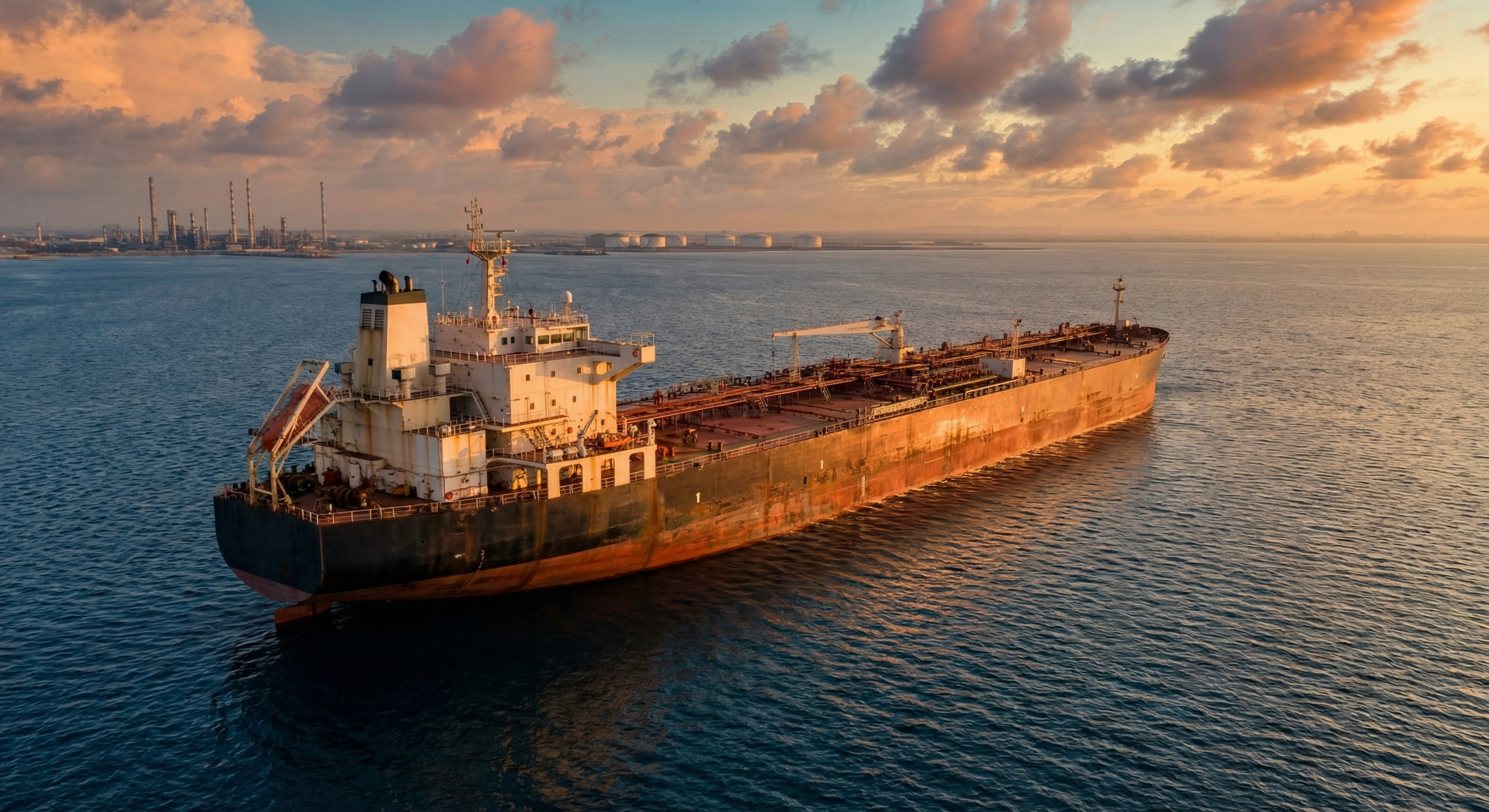
Brent jumped 6.7% to $107.92 after an April 2 address offered no Hormuz timeline, erasing Q2 equity gains.

KOSPI surged more than 6.5% at its session peak and the Nikkei 225 climbed 4.04% as exit-timeline signals unwound part of the risk premium.
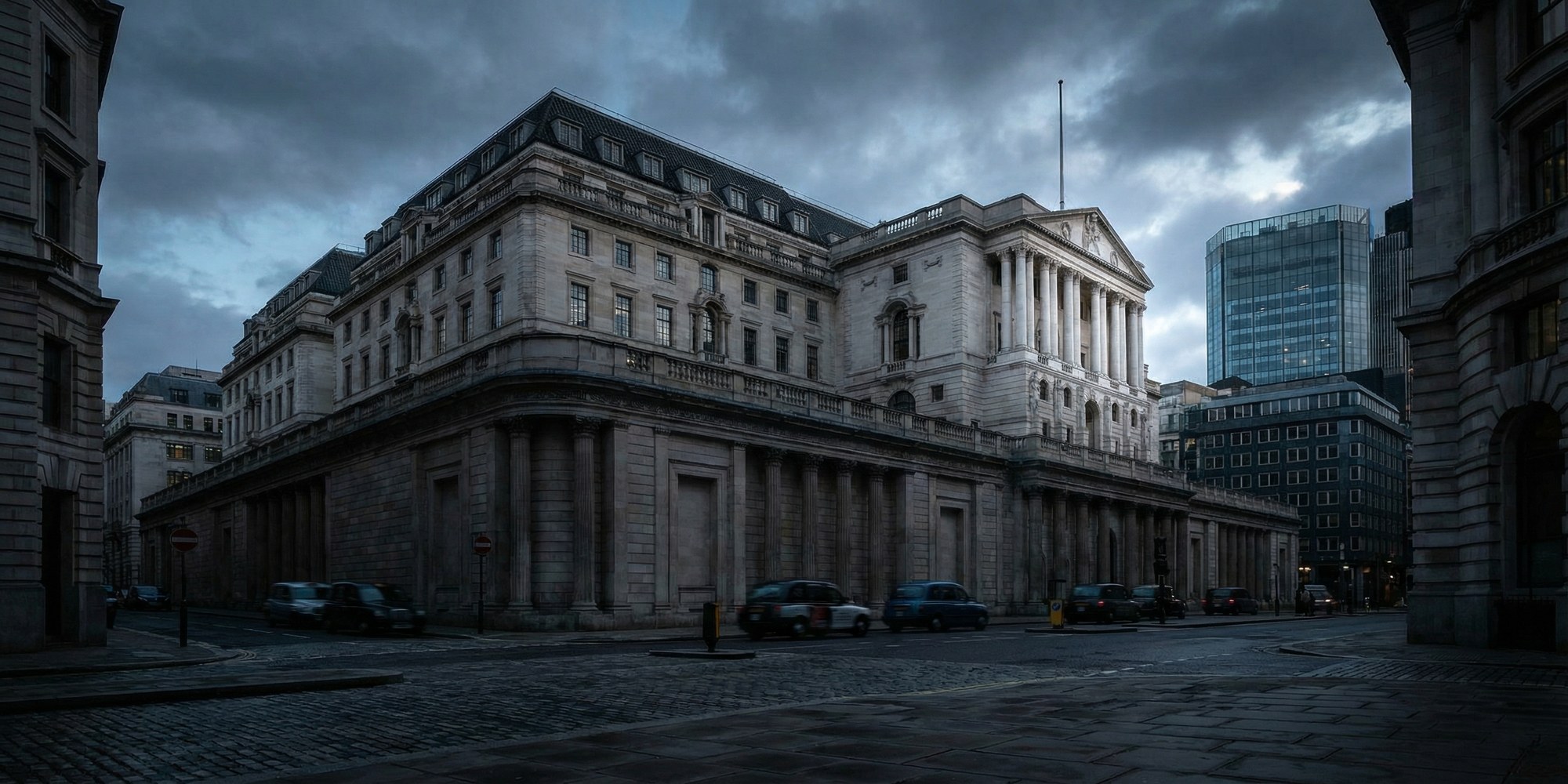
UK 10-year gilt yields hit 4.995% at the Q2 open as Brent extended to $115.31 and gold climbed to $4,532.10.
Global Market Updates provides data-driven analysis of worldwide equities, commodities and energy markets, forex and currencies, and central bank policy. Our coverage is sourced from exchanges, central banks, and international economic agencies — written for readers who demand substantive market intelligence beyond the headlines. Header snapshots are dated, static figures, not a live feed.